How to Build a Skincare Routine for Acne-Prone Skin
September 02, 2026
Building an acne skincare routine for acne-prone skin is not about scrubbing, stripping, drying, or overwhelming the complexion with active products. Those approaches can leave the skin feeling tight, reactive, flaky, and still congested.
For anyone searching for how to get rid of acne naturally or how to get clear skin, there is rarely one universal product or one identical cause. A balanced routine supports the skin externally while leaving room to explore the hormonal, digestive, nutritional, environmental, and nervous-system patterns that may be contributing internally.
Acne can be influenced by many overlapping factors, including follicular buildup, sebum, the skin microbiome, inflammation, hormones, stress, food responses, digestion, sleep, medications, environmental exposure, and the products used on the skin. A topical skincare routine is one important part of a whole-person approach.
How to Get Clearer Skin Without Over-Stripping It
Acne does not develop merely because someone has failed to wash thoroughly enough. Oil production, follicular buildup, inflammation, hormones, genetics, medications, stress, product tolerance, and other individual factors may all play a role.
Washing more aggressively does not necessarily create clearer-looking skin. Repeated scrubbing, very hot water, harsh cloths, abrasive brushes, and frequent use of stripping cleansers can increase visible irritation and make the routine more difficult for the skin to tolerate.
The purpose of cleansing is to remove makeup, sunscreen, excess surface oil, environmental residue, and the remains of the previous skincare ritual while leaving the complexion comfortable enough for the steps that follow.
Clearer-looking skin is generally supported by consistency rather than force: complete but non-stripping cleansing, water-based hydration, appropriate moisture, controlled exfoliation, minimal picking, and enough time to identify the skin’s individual patterns.
Can Oily or Acne-Prone Skin Have a Compromised Barrier?
Yes. Oiliness and barrier stress are not opposites. Acne-prone skin can feel shiny or congested while also appearing flaky, tight, dehydrated, or reactive.
Signs that an acne-focused routine may be stressing the moisture barrier include:
- Persistent tightness after cleansing
- Stinging when familiar products are applied
- Flaking around blemishes or across oily areas
- Redness that increases with each new treatment
- A shiny surface that still feels dry underneath
- Sudden sensitivity to water, heat, or touch
- Breakouts accompanied by widespread roughness or tenderness
- Difficulty tolerating even simple moisturizers
When these signs appear, adding more acids, scrubs, masks, or spot treatments can intensify the problem. Simplifying the routine and rebuilding comfort is often a more useful first step.
Read How to Repair a Damaged Skin Barrier for a complete barrier-focused ritual.
Why the Skin Barrier Matters for Acne-Prone Skin
The outermost layer of the skin helps hold water within the complexion while protecting it from excessive exposure to irritants and environmental stressors.
When that barrier is functioning well, the skin is generally better able to maintain hydration, tolerate products, and recover from ordinary daily stress. When it is repeatedly stripped or over-exfoliated, the complexion may become dry, reactive, and visibly inflamed even when it still produces abundant oil.
Research has found differences in barrier function, transepidermal water loss, ceramide levels, and microbiome diversity in acne-prone skin. This supports a more balanced approach in which cleansing and exfoliation are paired with hydration and moisture rather than used as weapons against the skin.
Acne-Prone Skin Is Not Always the Same as Active Acne
Acne-prone skin describes a complexion that tends to develop congestion or breakouts, even when few active blemishes are present.
Active acne refers to a period when the skin is currently experiencing visible blemishes, inflamed-looking areas, pustules, papules, or deeper tender bumps.
The same basic routine can support both, but active-looking or highly irritated skin usually needs a gentler version of each step. During an active flare, pause strong exfoliation over open, broken, or intensely inflamed areas and focus first on gentle cleansing, hydration, moisture-barrier support, and minimal handling.
Natural Acne Skincare: A Whole-Person View
Skincare matters, but skin does not function separately from the rest of the body. Persistent or recurring acne may be influenced by a combination of internal and topical factors.
Areas worth observing can include:
- Hormonal patterns and menstrual-cycle changes
- Blood-sugar stability and frequent high-sugar foods
- Individual responses to dairy or other foods
- Digestive comfort and regular elimination
- Microbiome balance
- Nutrient intake and absorption
- Essential-fatty-acid intake
- Stress and nervous-system dysregulation
- Sleep quality and circadian rhythm
- Medications or supplements that coincide with skin changes
- Environmental and occupational exposures
- Hair products, makeup, sunscreen, or skincare that contacts the affected area
- Repeated friction from masks, hats, helmets, phones, pillows, or clothing
These influences are not identical in every person, and the appearance of acne alone cannot identify one universal root cause. The value of a whole-person approach is that it encourages observation rather than assuming that every breakout should be handled with the same product or protocol.
Food and Acne-Prone Skin
There is no single acne diet that is appropriate for every person. Food responses are individual, and overly restrictive diets can create their own nutritional and emotional stress.
A supportive foundation begins with whole, nutrient-dense foods, adequate protein, healthy fats, minerals, colorful plants as tolerated, and a meal rhythm that supports stable energy and blood sugar.
Some people notice a relationship between their skin and high amounts of refined sugar, ultra-processed foods, certain dairy products, or another individual food. When exploring a possible food response, change one meaningful variable at a time and observe the pattern rather than eliminating many food groups at once.
The goal is to learn what supports the individual body—not to create fear around eating.
Stress, Sleep, and the Nervous System
Stress can influence hormones, oil production, inflammation, sleep, digestion, and behaviors such as touching or picking the skin. It can also make an existing routine feel harder to follow consistently.
Nervous-system support does not mean that acne is imaginary or “all in the mind.” It recognizes that the skin is part of a living, responsive body.
Helpful foundations may include:
- A consistent sleep-and-waking rhythm
- Morning and daytime natural light
- Regular gentle movement
- Time outdoors
- Breathing or somatic practices that genuinely feel calming
- Reducing habitual skin picking and face touching
- Creating a simple routine that does not generate constant worry
What Is the Best Skincare Routine for Acne-Prone Skin?
The best skincare routine for acne-prone skin is one that cleanses effectively, supports the moisture barrier, introduces treatments gradually, and remains comfortable enough to follow consistently.
A complete routine does not need to contain ten products. It needs to address the skin’s essential needs without repeatedly overwhelming it.
A balanced acne skincare routine includes:
- Gentle, complete cleansing
- Water-based hydration
- One purposeful treatment at a time
- Appropriate moisture
- Controlled exfoliation when the skin is ready
Step One: Cleanse Without Stripping
Cleansing removes the substances that have accumulated on the skin while preparing the complexion for hydration and treatment products.
The skin should feel clean and refreshed afterward—not squeaky, tight, hot, or painfully dry.
Golden Sunrise Cleansing Cream
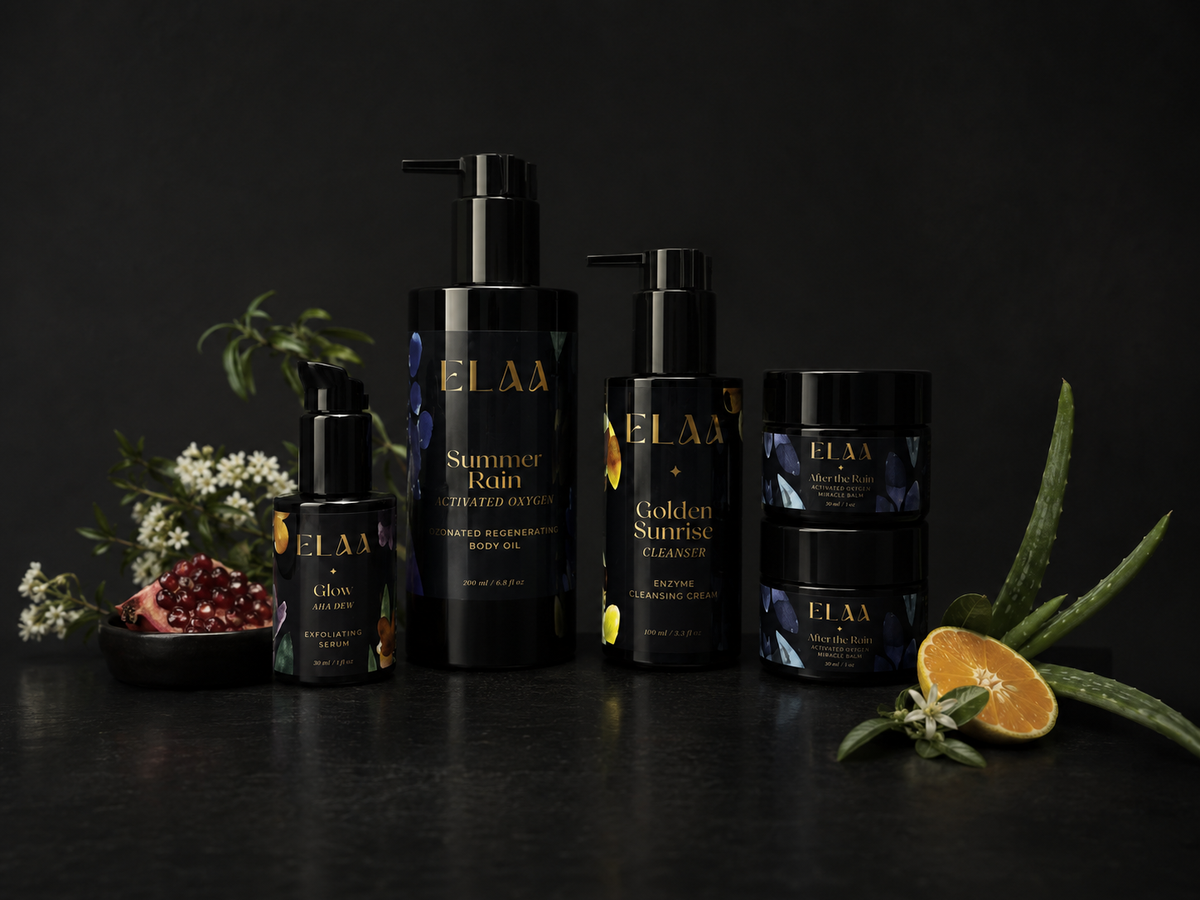
Golden Sunrise 2 in 1 Enzyme Cleansing Cream is a creamy, water-rinseable cleanser designed to remove everyday makeup, excess surface oil, and daily buildup while maintaining a soft, comfortable skin feel.
Organic pineapple and papaya provide naturally occurring fruit enzymes and acids that help loosen dull surface buildup. Aloe vera, jojoba, coconut milk, glycerin, herbs, and botanical extracts surround the cleansing process with moisture and conditioning.
Golden Sunrise may be used alone for a simple daily cleanse or as the second step after an oil cleanser.
Radiant River for Makeup, Sunscreen, and Heavier Residue
When removing heavier makeup, water-resistant sunscreen, or several layers of skincare, begin with Radiant River Botanical Cleansing Oil.
Massage Radiant River over dry skin to dissolve oil-soluble residue, then remove it thoroughly with a fresh, soft cloth and comfortably warm water. Follow with Golden Sunrise when a second cleanse is needed.
Read How to Oil Cleanse for the complete method and troubleshooting guide.
How Often to Cleanse
Most acne-prone skin benefits from a thorough evening cleanse. In the morning, use Golden Sunrise, rinse with comfortably warm water, or follow the lighter cleansing method that best suits the complexion.
Avoid repeatedly cleansing throughout the day in an attempt to remove every trace of oil. Excessive washing can increase dryness, friction, and barrier stress without addressing why the skin is producing oil or developing congestion.
Step Two: Replenish Water-Based Hydration
Oiliness does not necessarily mean that the skin contains enough water. A complexion can produce abundant sebum while still feeling dehydrated.
After cleansing, mist the face and neck with Moonlight Mist Celestial Facial Toner or another well-tolerated Elaa botanical mist.
Water-based hydration can help:
- Relieve the feeling of post-cleansing tightness
- Support a softer, more supple complexion
- Prepare the skin for serums, oils, balms, or creams
- Allow a smaller amount of facial oil or moisturizer to spread more evenly
- Create a more comfortable environment for the moisture barrier
Leave the final mist on the skin rather than wiping it away. Apply the next product while the complexion remains lightly damp.
Step Three: Use Purposeful Treatment Rather Than Many Treatments
An acne-prone routine often becomes complicated because several serums, acids, masks, spot treatments, and exfoliants are added at once.
This makes it difficult to know which product is helping and which may be creating irritation.
Choose one primary treatment focus at a time. Introduce each new formula separately and allow the skin enough time to show how it responds before adding another.
After The Rain for Concentrated Activated-Oxygen Care
After The Rain Activated Oxygen Miracle Balm is an exceptionally concentrated balm made with fully ozonated extra-virgin olive oil.
It is incorporated into acne-prone skincare rituals to help:
- Support the skin’s natural renewal processes
- Replenish a dry or weakened-looking moisture barrier
- Comfort the appearance of visible redness and irritation
- Soften dry, rough, or stressed-looking areas
- Support calmer and more resilient-looking skin
- Improve the visible appearance of post-blemish marks
- Improve the appearance of uneven or damaged-looking texture
After The Rain is highly concentrated. Begin with a patch test and use only a tiny amount.
Full Strength is the original formula and is included in The Acne Collection. It combines fully ozonated olive oil with carefully diluted blue tansy, blue cypress, chamomile, carrot seed, rose geranium, and helichrysum oils.
Sensitive contains only fully ozonated extra-virgin olive oil and is free from essential oils and added fragrance. Choose it when the complexion is exceptionally reactive, the moisture barrier feels weakened, or the simplest formula is preferred.
How to Apply After The Rain
After cleansing and misting, warm a tiny dab between clean fingertips. Press it gently over the desired areas rather than rubbing aggressively.
Apply After The Rain only to closed, intact skin. Do not use it as an ordinary cosmetic treatment over a freshly opened, bleeding, or weeping blemish.
After a blemish has closed, After The Rain is especially helpful for lingering post-blemish marks, visible redness, dryness, and uneven-looking texture.
Many people prefer to use After The Rain at night. It is generally best applied alone rather than layered immediately with several serums, creams, and exfoliating treatments.
Other Elaa products may be used at a different time of day or on alternating evenings.
Step Four: Moisturize Without Overloading the Skin
Acne-prone skin still needs moisture. Avoiding every oil, balm, or cream can leave the complexion increasingly dry and reactive.
At the same time, using too many rich products at once may feel heavy for some complexions.
The right amount of moisture should leave the skin comfortable and supple without creating a thick, persistent film.
Begin with:
- A generous botanical mist for water-based hydration
- One lightweight serum when desired
- A very small amount of a suitable facial oil, balm, or moisturizer
Apply oils and moisturizers while the skin remains lightly damp. Begin with less than you think you need and add more only when the complexion still feels dry or tight.
There is no universal “acne-safe” oil or moisturizer. The formula, amount, climate, layering, and individual skin response all matter.
Step Five: Exfoliate with Control
Exfoliation can help remove dull surface buildup and refine the appearance of congestion, uneven texture, visible pores, and post-breakout roughness.
It can also damage the moisture barrier when used too frequently or combined with multiple other active treatments.
Glow AHA Dew
Glow AHA Dew Exfoliating Serum is a concentrated rinse-off treatment containing a 20% blend of fruit-derived alpha hydroxy acids.
Its acid blend helps loosen the bonds that hold dull cells to the skin’s surface without the friction of a physical scrub.
To introduce Glow:
- Patch test before the first full application.
- Begin once weekly.
- Cleanse the skin and gently pat it dry.
- Apply a thin, even layer.
- Avoid the eyelids, immediate eye area, lips, nostrils, broken skin, and open blemishes.
- Leave it in place for five minutes during the first applications.
- Remove it with a soft, wet cloth and rinse thoroughly.
- Increase the application time only when repeated use remains comfortable.
Remove Glow immediately if intense discomfort or burning develops.
Do not combine it during the same ritual with another acid, retinoid, peel, abrasive scrub, strong enzyme treatment, or intensive physical exfoliation.
When to Pause Exfoliation
Pause acids and exfoliating treatments when the skin is:
- Broken or openly irritated
- Persistently tight or stinging
- Flaking extensively
- Freshly waxed or shaved
- Recovering from a peel or resurfacing procedure
- Experiencing an unusually inflamed or reactive flare
Return to gentle cleansing, hydration, and moisture until the complexion feels comfortable again.
Do Not Pick or Extract Active Blemishes
Picking can push inflammation deeper, injure surrounding tissue, prolong visible redness, and increase the likelihood of dark marks or scars.
Keep fingernails and extraction tools away from active blemishes. If touching the skin has become an unconscious habit, hydrocolloid patches, short nails, clean hands, and awareness of the situations that trigger picking can help interrupt the pattern.
Persistent closed congestion or blackheads may be addressed by an experienced esthetician or other trusted skin professional using appropriate technique.
A Simple Morning Ritual
- Cleanse as needed. Use Golden Sunrise or the lightest cleansing method appropriate for the complexion.
- Mist. Apply Moonlight Mist or another well-tolerated Elaa toner.
- Apply one targeted serum when desired. Avoid stacking several new active formulas together.
- Moisturize. Press a small amount of a suitable facial oil, balm, or cream over lightly damp skin.
A Simple Evening Ritual
- Remove makeup and sunscreen. Begin with Radiant River when an oil cleanse is needed.
- Complete the cleanse. Follow with Golden Sunrise when makeup, sunscreen, or cleansing oil remains.
- Mist. Apply Moonlight Mist and leave it on the skin.
- Choose one treatment. Use After The Rain, a selected serum, or Glow AHA Dew according to its individual directions—not all at once.
- Finish with moisture when needed. Apply the smallest amount that leaves the complexion comfortable.
A Simple Weekly Rhythm
Most Days
- Cleanse gently and completely.
- Replenish water-based hydration.
- Use one targeted treatment at a time.
- Provide appropriate moisture.
- Avoid picking and unnecessary touching.
Once Weekly to Begin
- Use Glow AHA Dew as a short rinse-off treatment when the skin is calm enough for exfoliation.
When the Skin Feels Overworked
- Pause exfoliating acids, scrubs, and strong enzyme treatments.
- Simplify the routine to cleansing, misting, and moisture.
- Use comfortably warm rather than hot water.
- Avoid brushes, textured cloths, and aggressive massage.
- Reintroduce products one at a time after the skin feels calm.
Common Acne-Routine Mistakes
Cleansing Too Aggressively
Squeaky, tight skin is not the goal. Use enough cleanser and massage to remove daily buildup, but do not repeatedly scrub the complexion.
Using Hot Water
Very hot water can intensify dryness, redness, and barrier stress. Use comfortably warm water instead.
Trying Several New Products at Once
When multiple formulas are introduced together, it becomes almost impossible to identify what is helping or irritating the skin.
Stacking Exfoliants
Do not use Glow AHA Dew, a physical scrub, a peel, a retinoid, and an enzyme mask during the same ritual.
Trying to Dry Out Every Blemish
Repeatedly drying the skin can create flaking, tenderness, and a compromised barrier without preventing new congestion.
Avoiding Moisture Because the Skin Is Oily
Oiliness is not proof that the complexion has enough water or that the moisture barrier is healthy.
Using Too Much Moisturizer
Moisture is important, but more is not always better. Use the amount that creates comfort without leaving a heavy film.
Treating Every Breakout as a “Purge”
Persistent worsening should not automatically be viewed as proof that a product is working. Review the products, frequency, combinations, and application method.
Picking and Repeatedly Checking the Skin
Touching and inspecting blemishes throughout the day can increase irritation and make the routine feel emotionally consuming.
Changing the Entire Routine Too Frequently
Constantly replacing products makes it difficult to understand the skin’s patterns. Build a simple foundation and change one step at a time.
Acne on the Chest, Back, and Body
Body breakouts can be influenced by sweat, friction, tight clothing, hair products, detergent residue, delayed showering after exercise, and the same internal factors that may influence facial acne.
For body care:
- Shower after heavy perspiration when possible.
- Avoid scrubbing active areas with stiff brushes or rough cloths.
- Rinse shampoo and conditioner thoroughly from the back and shoulders.
- Choose breathable clothing when friction is contributing.
- Change damp exercise clothing promptly.
- Introduce exfoliating treatments gradually.
- Apply body oil while the skin remains lightly damp.
Summer Rain Activated Oxygen Body Oil combines 20% fully ozonated olive oil with nutrient-dense botanical oils, herbs, teas, flowers, antioxidants, and green aventurine.
Massage it gently over lightly damp body skin to replenish moisture, condition dry or rough-feeling areas, and support a softer, smoother, more resilient-looking surface.
How to Know Whether a Routine Is Working
Do not judge a routine only by what happens to one blemish overnight. Observe the complexion as a whole.
Helpful signs can include:
- The skin feels clean but not stripped after washing.
- Familiar products no longer sting.
- Dryness and flaking begin to lessen.
- The complexion feels more comfortable throughout the day.
- New congestion becomes less frequent.
- Visible redness settles more readily.
- Post-blemish marks begin to look softer and less prominent.
- Texture gradually appears smoother.
- The routine feels sustainable rather than exhausting.
Introduce products slowly enough that the response to each one can be recognized.
Frequently Asked Questions
How Do You Get Rid of Acne Naturally?
There is no one natural acne treatment or home remedy that gets rid of every form of acne for every person.
The most useful natural home remedies for acne are often the foundational practices that reduce unnecessary irritation and support the whole person:
- Cleanse thoroughly without stripping.
- Keep the moisture barrier hydrated and comfortable.
- Use one targeted treatment at a time.
- Exfoliate conservatively.
- Avoid picking and squeezing.
- Observe hormonal, digestive, food, stress, sleep, and environmental patterns.
- Change pillowcases and keep frequently touched items clean.
- Give each meaningful change enough time to evaluate.
Natural does not mean that more products, essential oils, acids, scrubs, or kitchen ingredients should be applied. A simple, well-tolerated routine is often more supportive than an aggressive collection of home treatments.
How Long Does an Acne Skincare Routine Take to Work?
Some changes—such as improved hydration and less post-cleansing tightness—may be noticeable relatively quickly. Changes in congestion, breakout frequency, post-blemish marks, and overall texture generally require consistent care over a longer period.
The timeline depends upon the type of acne, hormonal and internal patterns, the products used, picking, skin-barrier health, and how consistently the routine is followed.
Change one meaningful part of the routine at a time rather than replacing everything after only a few applications.
Should Acne-Prone Skin Be Cleansed Twice a Day?
A thorough evening cleanse is important for removing makeup, sunscreen, excess oil, and daily residue. Morning cleansing needs vary.
Use the lightest approach that leaves the skin fresh and comfortable. Avoid repeatedly washing throughout the day.
Can Oily Skin Be Dehydrated?
Yes. Sebum and water are different components of the skin. A complexion can appear shiny while still feeling tight, flaky, or depleted of water.
Should Acne-Prone Skin Use Facial Oils?
Many acne-prone complexions use facial oils successfully. Choose the formula carefully, begin with one or two drops over lightly damp skin, and observe the response.
No oil can be guaranteed to suit every complexion.
Does Moisturizer Make Acne Worse?
Not automatically. Appropriate moisture supports the skin barrier and can reduce the dryness and irritation created by over-cleansing or excessive treatments.
The formula and amount should suit the individual complexion.
Is Tingling a Sign That a Product Is Working?
A mild, brief sensation can occur with some exfoliating products, but burning, escalating discomfort, persistent redness, or swelling is a reason to remove the product and stop using it.
How Often Should Acne-Prone Skin Exfoliate?
Begin conservatively. With a concentrated treatment such as Glow AHA Dew, start with one short application per week.
Increase only when the skin remains consistently calm and comfortable.
Can I Use Glow AHA Dew on Active Blemishes?
Do not apply it to open, broken, picked, or intensely irritated blemishes. Apply only to intact skin and follow the complete product directions.
Can After The Rain Be Used on Acne-Prone Skin?
Yes. After The Rain may be used sparingly within an acne-prone skincare routine to support moisture, visible comfort, natural renewal, and smoother-looking texture.
It is especially helpful for post-blemish marks after the skin has fully closed. Use only a tiny amount and avoid applying it to open, bleeding, or weeping blemishes.
Can After The Rain Be Used with Glow AHA Dew?
Both may be included within the broader routine, but highly concentrated treatments do not need to be layered together.
Use them at separate times or on alternating evenings, particularly when the skin is sensitive or newly adjusting to either formula.
Is Acne Only a Topical Problem?
No. Topical care can make a meaningful difference, but hormones, stress, sleep, digestion, food responses, medications, environmental exposures, and other internal patterns may also influence the skin.
Does Everyone with Acne Need the Same Diet?
No. Food responses vary. Begin with a nutrient-dense whole-food foundation and investigate individual patterns rather than following a highly restrictive universal acne diet.
Should Breakouts Be Allowed to “Purge” for Months?
Do not assume that every worsening is necessary. Persistent breakouts, burning, rash, or barrier damage are reasons to reassess the routine and the products being used.
When Should Additional Support Be Considered?
Seek individualized support from a qualified practitioner you trust when acne is painful, rapidly worsening, leaving significant scars, appearing suddenly with other health changes, or not responding to a carefully simplified routine.
Choose Your Elaa Acne-Prone Skin Pathway
The Acne-Prone Skin collection offers a broader selection of cleansers, toning mists, targeted serums, facial oils, activated-oxygen formulas, and controlled exfoliating treatments so that a ritual can be built around individual needs.
For a curated face-and-body starting point, The Acne Collection brings together Golden Sunrise, two After The Rain Full Strength balms, Summer Rain Activated Oxygen Body Oil, and a full-size Glow AHA Dew as your gift.
These products are choices within a coordinated ritual rather than instructions to layer every formula at once. Introduce products gradually and follow the complete directions on each individual product page.
For a guided starting point, take the Find Your Ritual questionnaire. For personalized product selection and ritual guidance, explore Skin & Beauty Consulting with Elaa.
Selected Research
- Epidermal barrier integrity and skin microbiome diversity in acne vulgaris
- Impaired water-barrier function in acne vulgaris
- Ceramide-containing adjunctive skincare during acne treatment
- Effect of a daily facial cleanser on the skin barrier of subjects with acne
- Controlled study of a glycolic-acid formulation for mild acne
This article is educational and does not provide individualized health advice. Acne has many possible contributors, and individual experiences with skincare, food, supplements, and wellness practices vary.